
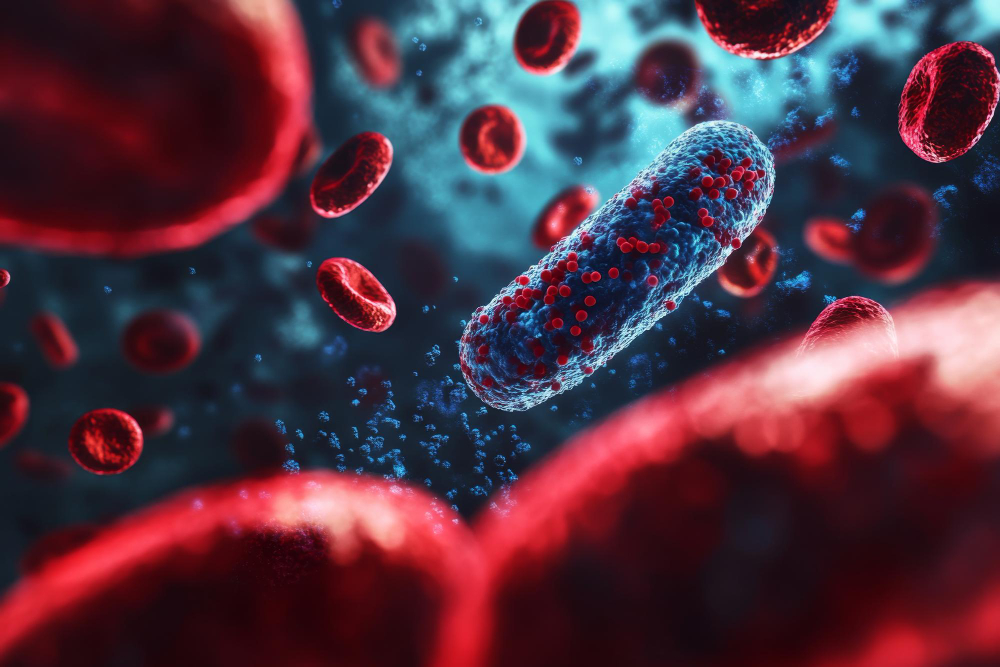
What is Sepsis?
Sepsis is a serious medical condition. It happens when the body reacts strongly to an infection. Because of this reaction, organs and tissues can get damaged. In many cases, sepsis can become life-threatening if not treated quickly. According to the World Health Organization, sepsis affects millions of people each year worldwide. For this reason, knowing about sepsis and its early signs can help save lives.
Early Warning Signs of Sepsis
Recognizing the early signs of sepsis is very important. Early treatment can make a big difference. Although sepsis symptoms in adults can vary, some common warning signs include:
Sometimes, people notice a sudden change in how they feel. For example, a person might feel much sicker than with a regular infection. If you notice these early signs of sepsis, seek medical help right away.
Common Causes and Risk Factors
Sepsis can start from many types of infections. Most often, it begins with infections in the lungs, urinary tract, skin, or gut. However, any infection can lead to sepsis if not treated. Some people have a higher risk of sepsis, such as:
Because risk factors can vary, it is important to watch for sepsis symptoms in adults and children alike. For instance, people living in crowded areas or with limited access to healthcare may face higher risks.
How Sepsis is Diagnosed
Doctors use several steps to diagnose sepsis. First, they check for signs of infection and organ problems. Next, they may order blood tests to look for bacteria or other germs. In addition, doctors often check the heart rate, breathing, and blood pressure. Sometimes, imaging tests like X-rays or scans help find the source of infection. Because early diagnosis is key, doctors act quickly if sepsis is suspected. This approach helps start treatment as soon as possible.
Why Timely Treatment is Critical
Timely treatment for sepsis is very important. Without fast care, sepsis can lead to organ failure or even death. According to the CDC, starting treatment within the first hour greatly improves survival. For this reason, doctors often give antibiotics and fluids right away. In some cases, patients may need oxygen or other support. Because every minute counts, recognizing early signs of sepsis and seeking help can save lives. This is why sepsis treatment importance cannot be stressed enough.
Prevention Tips and Lifestyle Guidance
Preventing sepsis starts with stopping infections. While not all cases can be avoided, you can lower your risk with these tips:
Additionally, healthy habits like eating well, staying active, and avoiding smoking can help your body fight infections. For families in cities or rural areas, knowing how to prevent sepsis is important for everyone’s health. If you or a loved one feel unwell after an infection, consult Dr.Mohsin Khan