
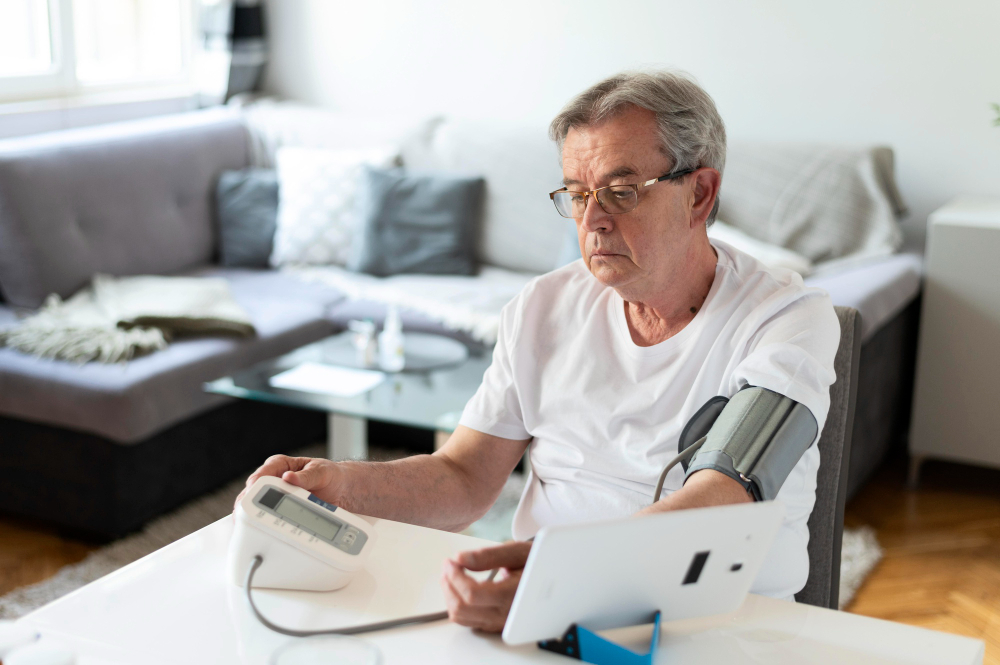
What Is High Blood Pressure?
High blood pressure, also called hypertension, means the force of blood against your artery walls is too high. Usually, this condition does not cause symptoms at first. However, it can quietly damage your body over time. For example, high blood pressure can strain your heart and blood vessels. As a result, it may lead to heart disease, stroke, or kidney problems. According to the CDC, about one in three adults has high blood pressure. Because it often goes unnoticed, high blood pressure monitoring is important for everyone.
Why Is Regular Monitoring Important?
Regular high blood pressure monitoring helps you spot changes early. Without regular checks, high blood pressure can stay hidden. Over time, this increases the risk of serious health problems. For instance, uncontrolled high blood pressure can cause heart attacks or strokes. In addition, it may damage your eyes or kidneys. When you monitor your blood pressure often, you can catch rising numbers before they cause harm. This way, you can talk to your doctor and adjust your care plan if needed. Therefore, the benefits of blood pressure monitoring include early detection and better control of your health. Regular checks also help prevent hypertension complications.
How to Monitor Blood Pressure at Home
Many people ask how to monitor blood pressure at home. Home monitoring is simple with the right tools. First, choose a digital blood pressure monitor with an arm cuff. These devices are easy to use and give quick results. Next, follow these steps for accurate readings:
For best results, measure at the same time each day. Also, avoid caffeine, exercise, or smoking 30 minutes before checking. If you have questions, ask your healthcare provider for advice on reliable readings.
When to Seek Medical Advice
Sometimes, high blood pressure can become dangerous. Therefore, you should know when to call your doctor. Seek medical help if you notice:
If you have any of these warning signs, get help right away. Even if you feel fine, very high numbers can be a medical emergency. Regular high blood pressure monitoring helps you spot these problems early.
Tips for Managing High Blood Pressure
Managing high blood pressure takes daily effort. However, small changes can make a big difference. Try these tips to help control your numbers:
Additionally, regular high blood pressure monitoring helps you track your progress. This way, you and your healthcare provider can make changes as needed. By following these steps, you can lower your risk of complications and stay healthier longer.
Conclusion
Schedule your blood pressure check-up with Dr. Mohsin Khan today. Regular visits help you manage your health and prevent future problems.